
Since the beginning of 2021, I decided to get my blood sugar in check and lose weight. 2020 was a crazy year for all of us. To cope with everything happening in the world, I deliberately made poor choices and drank a lot more than my body could handle and used becoming a new mom as an excuse to eat a lot of processed foods and take out. I had done low carb back in 2017 with mild to moderate success but failed to make it a permanent lifestyle. By 2019 I had regained all the weight I lost and knew I had to make some serious changes. But this time, it wasn’t just about me. I needed to do this for my family and for strengthening my immune system.
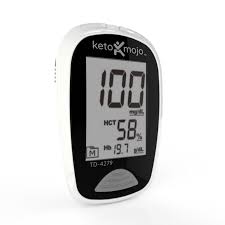
January 4th, I dusted off my Keto Mojo and tested my blood sugar. 165 mmol it flashed. HOLY SHIT, I’m in trouble. Anything over 125 mmol meant I was diabetic. My husband became very concerned and told me to go to the doctor to get medication and tips to manage it. My naturopath is a nice lady and all, but she and I don’t exactly see eye to eye on fasting and low carb eating. So instead of going to the doctor right away, I asked my husband to give me two months to fix my blood sugar on my own. And if I cannot get it under 100 by the end of February, I’ll go to the doctor. He agreed and we pinky swore to make it official.

The first 10 days I did an egg fast OMAD protocol that I kind of came up with on my own. My egg fast consisted of a minimum of six eggs a day, up to four ounces of cheese a day, and a tablespoon of butter for every two eggs. No low carb sweetners. Coffee and tea is ok but no cream. First, I knew that eating multiple meals a day would spike my insulin, and I knew I had to eat a lot of fat to keep insulin spikes low. Jason Fung’s Obesity Code book helped me to understand the role insulin plays in fat storage and release. I knew that if I wanted to see my sugar levels drop dramatically, I had to make a huge change quickly.

The next thing I had to learn about was fat. Keto rules say you have to eat fat to lose fat. However, it’s not clear what kinds of fats to eat and what to avoid. That’s where I made my mistake the first time. Through doctors like Dr. Ken Barry, Dr. Mendy Pelz, Dr. Saladino, and Ginger Keto UK, I started learning about the difference between fats with stearic acid and palmitic acid present vs. poly unsaturated fatty acid (PUFA) – or seed/veggie oils. What I learned was that our bodies do not recognize PUFAs when consumed and create a highly inflammatory environment within the body. And literally all processed foods and restaurant foods are swimming in this stuff. Mix PUFAs with carbs and sugar, and you got a problem, Houston! When I first did low carb keto four years ago, I didn’t understand the differences in fats so I ate regular mayo like it was going out of business and still cooked with whatever oils in the house without regard to consequences. Fat experts say that it doesn’t matter what diet you choose to follow, if you cut out PUFAs, you are on your way to health and lower inflammation.
Although I don’t see any new studies, I want to believe from anecdotal evidence that healthy-sourced fats is important for hormone expression. In the carnivore groups, there are many testimonials of people’s skin issues disappearing after switching from the standard American diet. Acne – gone. Rashes – gone. Eczema – in remission. I think a lot of it comes from their fat sources changing from seed to animal fat and eliminating all processed foods in general. But it’s something interesting! A while ago I had my thyroid tested and it was in the low but normal range. Nothing that my doctor was alarmed about, but she did recommend monitoring it and incorporating more sea vegetables. She also noted that my body temperature was generally lower than most hovering in the high 96 to low 97.3. A healthy metabolism shows body temperature at least 98. I do eat a lot of seaweed and take a sea moss powder, but I don’t think I felt less fatigued until I started eating stearic acid fats. According to Brad Marshall from Fire in a Bottle and Dr. Saladino, even bacon and chicken fat isn’t that good (due to their mostly grain-fed diet) and I would feel a bit tired afterward. I do feel a warm sensation when I’m consuming stearic acid fat sources which gives me hope that my body is using it to rev up fat burning in general. I am going to keep monitoring myself and hope to visit the doctor for blood work end of the summer to see my progress. Am I worried about high cholesterol? A little bit, but if all my other health markers are good when I check, I’m not going to be concerned.

Mindset is playing a huge part in reaching my blood sugar goals. I had to stop villainizing fat and start consuming more healthy fat. Beef tallow from grass-fed beef, grass fed butter, ghee, and cocoa butter. Fat is my friend! I love you, healthy fat! I use avocado oil, coconut oil and olive oil sparingly. To this day, it still feels so counterintuitive to everything I learned from magazines and online articles on what is healthy and how to lose weight. However, something is working for me. I feel more energized and I’m at the lowest weight since the last time I did low carb and keto four years ago (which took me longer to get to than this time around) and I’m able to hike with my family without any hip or knee pain. A non-scale victory: being able to feel my sternum without a layer of fat on it. It scared me at first because it’s been decades since I’ve felt it.
Don’t be like me and not see the importance of electrolytes. The first time I did low carb/keto, I severely neglected the importance of electrolytes. This explained my drained energy and lethargy after many months of low carb keto. I thought I was salting my food enough. NOPE! Not even close. What made me realize how important it was when I realized those saline bags at the hospital they give you is literally just electrolytes. No matter what, having balanced electrolytes helps many things including overall well-being and mood. Also electrolytes basically give your body the most essential minerals to function. And to get the most out of your minerals, you need good healthy fats to process it into your cells.
So how much stearic acid or palmitic acid fats should one consume? I think it depends on your goals and your concerns for other health markers like cholesterol, insuline, etc. For me, I’m still in the experimental phase, and my eating window is temporarily much wider than the past few months. Ginger Keto UK did an experiment and ate a huge tub of double cream for 7 days (about 3,000 a day) and actually lost weight to prove to herself that stearic acid and palmitic acid fats do not increase weight. Brad Marshall is the founder of the croissant diet who experimented with stearic acid and carbs and wine and found himself losing weight as well. I’m a little more wary of his diet only because I know what higher carbs and alcohol does to me. It makes me want to eat more refined carbs and sugar and I have to do everything in my power not to fall off the wagon. It’s hard though. In fact, I’ve been trying to get back to OMAD or one meal a day for the last two weeks without success due to letting myself eat a croissant on Mother’s Day. See? A slippery slope with an uphill climb.

The short answer, yes! I did within 2 months my fasting blood sugar was just under 100 mmols. Over 3-4 months it dropped in the mid 80s low 90s where it’s been at from March until April. With my croissant carb treat and eating more frequent meals (even if lower carb), I am noticing my numbers are in the high 90s right now. For me, this isn’t good enough. I really want to get my blood sugar in the low to mid 80s on a regular consistent basis. Healthy normal blood sugar is my promised land. What I realize is that, yes, I can control my blood sugar and insulin but what works for me right now is one meal a day, low carb, high fat, and sleeping well. Anytime I’m off on my sleep, it doesn’t matter if I stayed low carb or ate one meal that day, my cortisol and insulin was working hard for no reason.
Does that mean I have to be OMAD and low carb for the rest of my life? Maybe, but there is hope to further repair and heal and it may take longer than normal. Metabolic flexibility is what everyone should aspire to. I realize my journey to metabolic flexibility where some days I could have fruit (that isn’t a berry) is not going to happen until much later in the future. Today on Instagram I saw a post that said 88% of all Americans have some form of metabolic syndrome or have insulin resistance. That’s 7 out of 8 people. Only 12% are metabolically healthy. I want to be part of the 12%! Dr. Ekberg and Dr. Berg (the double Bergs I like to call them) discuss how long it could take to fix insulin resistance. The answer is not linear. It could take months or it could take several years depending on how long you’ve been insulin resistant and how strict you adhere to your new lifestyle and test your resistance to certain foods.
Key Takeaways
- Test your fasting blood sugar and post-eating blood sugar after an hour of consumption. Get a good baseline of where your blood sugar levels are at. If you are insulin resistant (90+ mmol) then incorporate a diet lower in carbs and sugar and increase good fats.
- If you want to take it a step further, do a full blood panel. Check your A1C, thyroid, iron, vitamin D, etc. Again, the idea is to understand where is your square one is.
- Experiment and try different things. I am learn from my mistakes and watch many videos on YouTube from others who are on a similar journey discussing mistakes they’ve made along the way. There’s still a lot of unlearning for me to do, but I am feeling more confident in listening to what works for me.
- Are you vegan or vegetarian? Don’t worry, coconut oil and cocoa butter has a lot of stearic and palmitic acid in it. Also if you can stomach butter, ghee, and high fat dairy, then try to incorporate more into your diet without fear. Stearic acid is truly amazing stuff!
- If you have never skipped a meal, then just cut out snacking for a few weeks before limiting your eating window. Play around with meal timing and keep your body guessing.
- Get moving but don’t overdo it. Honestly, the only kind of exercise I do is walking the kid in the stroller for 45 minutes or more 5 days a week with two days of resistance training 10-20 minutes at a time. The last time I lost weight, I always went hard HIIT, Tabata, whatever to feel the burn and sweat like crazy. What I realized now is that I was overstressing my body when I should only be applying acute stress.
- Know the difference between chronic and acute stress. Chronic stress is the silent killer that keeps you up at night and messes with your hormones. Acute stress is small bumps of stress that doesn’t last very long. That’s actually a good kind of stress. Things like exercise, fasting, and weight lifting are examples of acute stress. If you do too much then it becomes chronic and detrimental to your health.
- Find your balance. What works for you and what you need today right now may change in the future so enjoy the journey.
 It's Polyesther